Four different ways to prepare a home for sale — which one to pick based on budget, timeline and the property's condition.
"Home staging" is the practice of preparing a house for sale: making the spaces more desirable, highlighting light, volumes and proportions, and giving the potential buyer the feeling that they could move in tomorrow. On Lake Como and in the Milan market — high competition, mid-to-high prices — well-executed staging can shorten time on market by weeks and lift the final price by 5-15% according to estimates from the Associazione Home Staging Italia.
But "staging" is not one single thing. There are at least four very different approaches, each with its own pros, cons and cost profile. Let's walk through them.
1. Virtual staging — AI does the scene-setting
Virtual staging is digital staging: you start from photos of empty (or poorly furnished) rooms, then add furniture, decor and lighting via 3D rendering or — increasingly — generative-AI models. The output is photorealistic imagery for online listings (Immobiliare.it, Idealista, international portals).
- Cost: typically €30-€80 per photo, vs €1,500-€5,000 for physical staging
- Timeline: 24-72 hours from photo delivery
- Caveat: the buyer does NOT see the furniture in person during the viewing — must be clearly disclosed in the listing
- Best for: properties to renovate, inherited empty homes, properties outside the city where moving furniture is impractical
2. Light staging — small touches, big impact
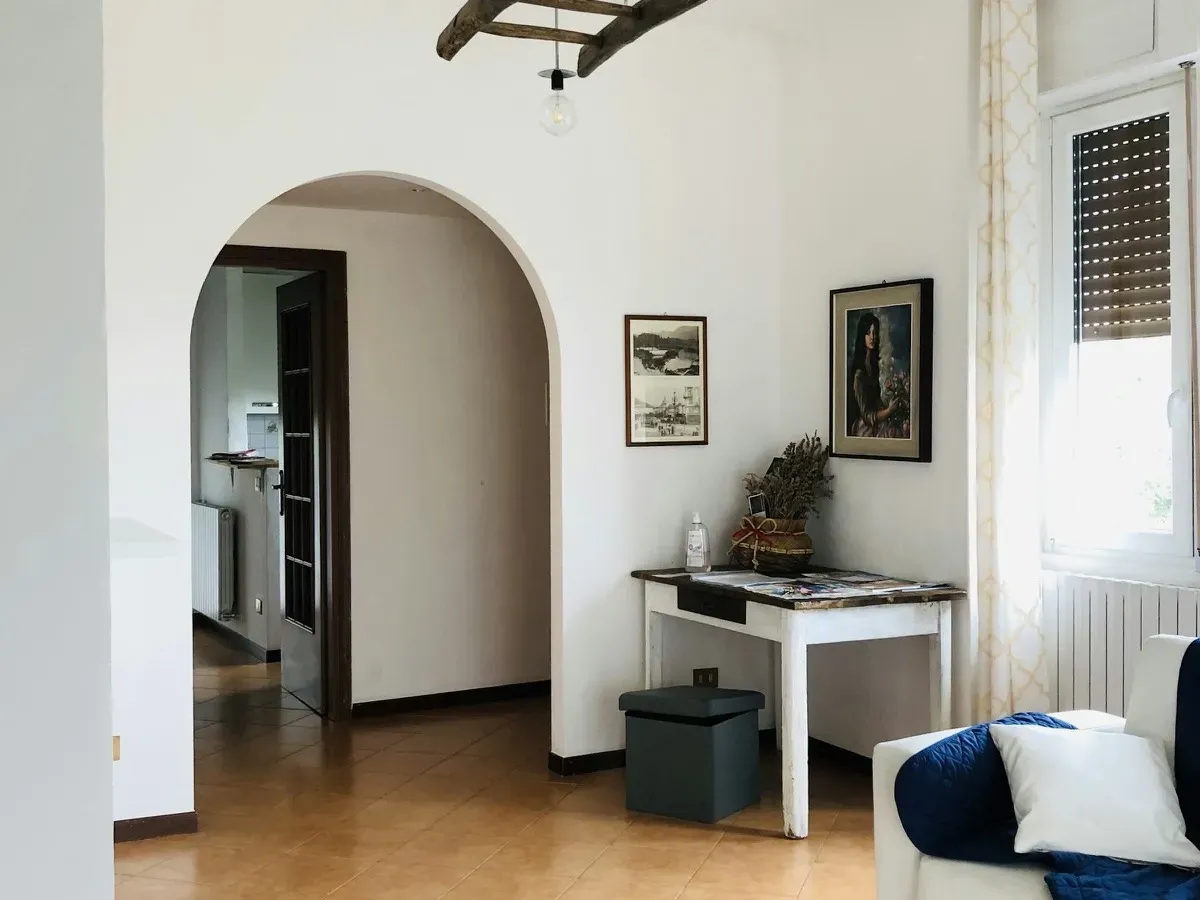
Light staging doesn't add major furniture: it focuses on decluttering, depersonalising, lighting, plants, textiles (cushions, throws), and possibly repainting dark walls. Call it minimal mise en scène.
- Cost: €300-€1,000 depending on size
- Timeline: 1-3 working days
- Caveat: only works if the home is already liveable and the existing furniture is in decent shape
- Best for: already-inhabited homes where the owner keeps living there during sale, furnished but "too personal" apartments

3. Full physical staging — the traditional version
Classic full staging: a specialised firm brings in rental furniture, artwork, rugs, plants, lighting, textiles — and furnishes the whole property (or the key rooms: entrance, living room, kitchen, primary bedroom, one bathroom). Photos are taken after the setup, and the staging stays in place for viewings and open houses.
- Cost: €2,000-€6,000+ for an 80-150 m² apartment, plus monthly rental
- Timeline: 1-3 days to install, typical run 1-3 months
- Upside: the home is furnished even during viewings — the buyer sees the potential first-hand
- Best for: prime properties, upper market segment, empty homes in premium zones

4. Renovation staging — when staging isn't enough
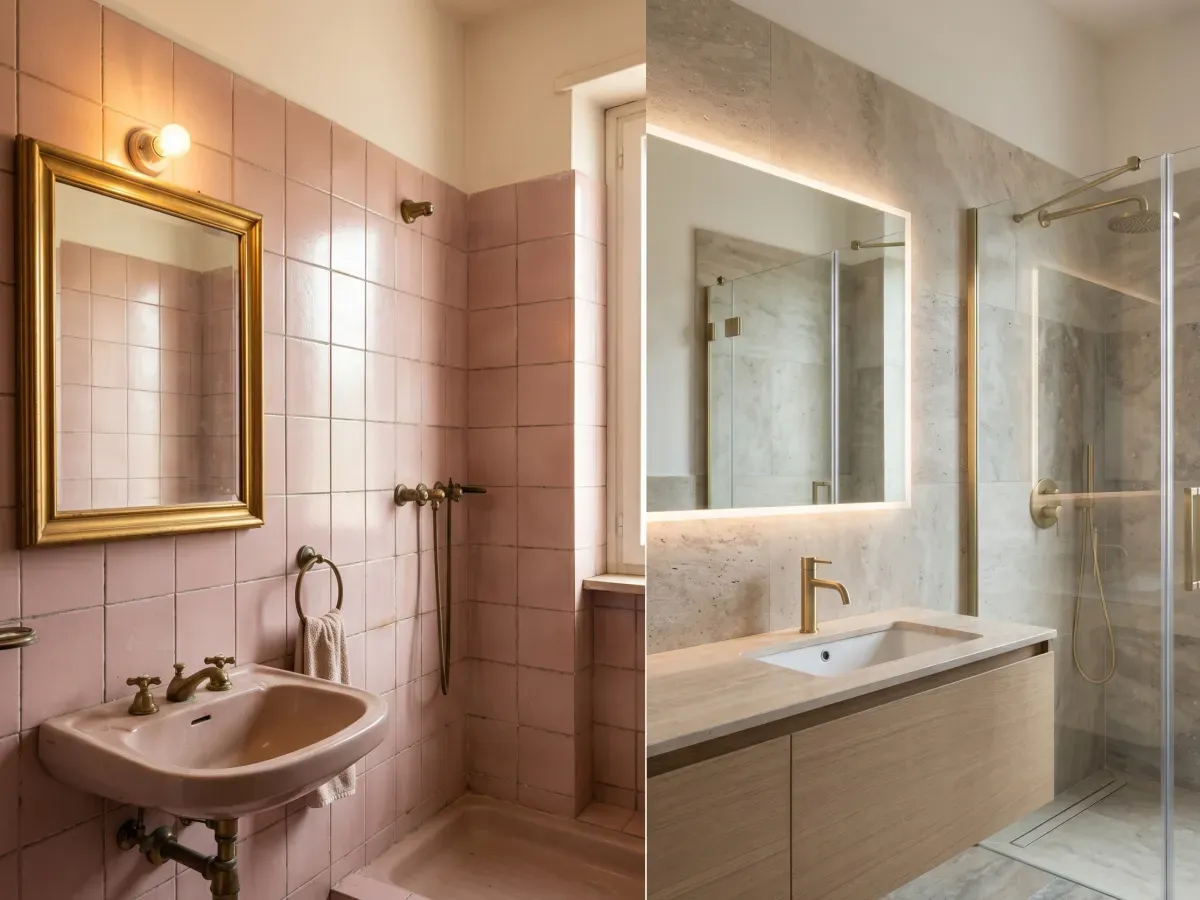
For properties in poor shape — worn floors, '70s bathrooms, obsolete kitchen — no amount of digital staging fixes the problem. Targeted renovation is structural staging: you address bathrooms, kitchen, floors, electrics and paint to bring the property up to contemporary standard. It's a heavier investment but the payback is clear: a renovated home sells at a significantly higher price and reaches a wider audience.
- Cost: €400-€1,500 per m² depending on scope
- Timeline: 6-16 weeks on site
- Upside: 20-40% higher sale price compared to the "as-is, to renovate" baseline
- Best for: dated homes in high-potential areas, inherited properties, ex-offices being repurposed
How to choose?
Three quick questions:
- How much do you want to invest? Under €1k → light. €1-5k → virtual or partial physical. €5k+ → full physical. €30k+ → renovation.
- Is the property liveable? Empty → virtual or physical. Already furnished → light. Needs work → renovate first.
- How wide an audience do you want to reach? Online listings → virtual. In-person viewings → physical. Maximum market reach → renovation + physical.
Our approach
On Refit.space we always start from an AI valuation: in 2 minutes we know the current value of your property and the upside for each level of intervention. From there we propose the staging mix that makes economic sense: sometimes light staging is enough, sometimes full renovation pays. We choose together — on the numbers.
Curious what your home is worth — before and after staging?
Refit.space's AI valuation shows the current value and upside scenarios for each type of intervention, free, in 2 minutes.